Sunday, April 6, 2025

Finn Literacy FIX

 I loved this text. I relate a lot to the feeling of the domestic educational system that is prevalent at RIC. Our FNED class doesn't fall into this category at all. However, a lot of my music classes, I've noticed, are very structured and basic. I'm learning the basic ideas and rules that don't allow me to bring in the art aspect of music. At the end of the day, music is art. The education I'm getting regarding music helps me understand how specific aspects work, but it doesn't allow my mind to be creative; I just follow directions. I wanna learn how to think outside of the box. I want to learn how I can be creative. I wanna learn what was so amazing and different about these legendary composers we study today. I want to learn how to activate the creative parts of my mind to help me make music something of my own. I wanna learn how to create art, not the simplistic stuff you always see. As a future teacher, I'd love to inspire my students to find their identity with music. I want my future students to love what they do and to be creative. I want them to think outside of the norm. 

What Are Some Practical Exercises That Boost Creativity? - Pinot's Palette

Thursday, March 20, 2025

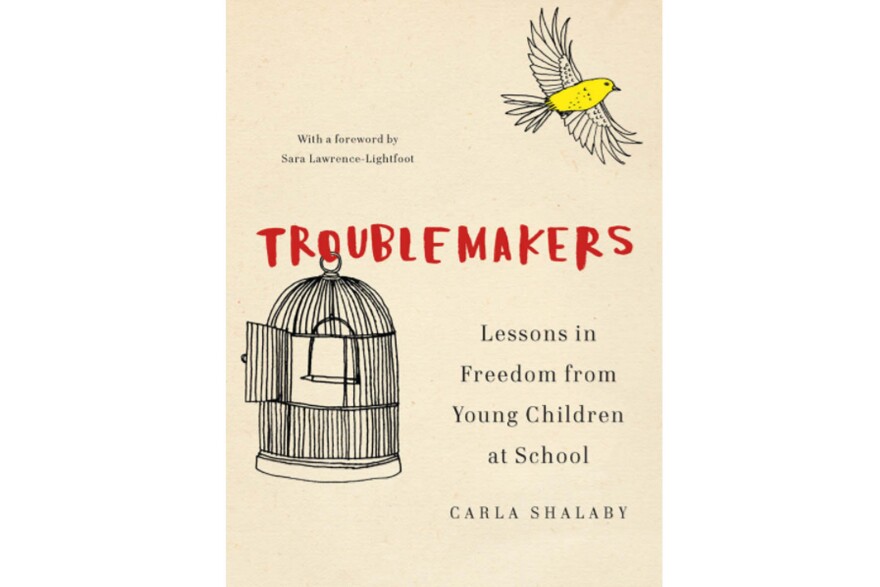
Troublemakers FIX

 These chapters really spoke to me. I related immensely to the author's situation. I have a student in my student-teaching classroom who has difficulty controlling himself and behaving. Just like Anthony in the book, my student refuses to follow directions and the expected rules of a school. So, I was lost on what to do with him and how to help him. It's not that he chooses to be that way; he has difficulty controlling his pent-up energy. He's also a super smart kid, ahead of most other students in his class. I remember many times when he would call me over for assistance, but when I started helping, he would fly through the assignments. I barely spoke, and he knew exactly what to do when I sat with him. He may have some attention issues in both ways. He craves attention and has a hard time paying attention. I find myself relating to him. When I was younger, I was also not the most remarkable student. I would crave the attention of everyone in the room. I was a troublemaker who didn't care for what the class was doing. So, I understand his situation. There are ways to help him; I just need to dig deeper into myself and figure out what I needed when I was that young. I know he's a good kid with tremendous potential, and I believe I can reach him with the right tactics in the classroom. Troublemakers in the classroom: Are they a disruption or a warning sign?

Friday, March 7, 2025

Classroom Tour Analysis FIX

 https://docs.google.com/document/d/1CQWoLs0wByj1TQwjAsjqT6oa9bVEgISg14eZhjZNgEk/edit?tab=t.0 


Teaching Poster to Facilitate Children's Learning of The Universal  Declaration of Human Rights Poster Poster for Room Aesthetic Posters &  Prints on ...

Intro to Cultural Pedagogy FIX

 Bringing cultural pedagogy into the classroom is crucial because it creates a learning environment where all students feel seen, valued, and respected. Learning becomes more meaningful and engaging when educators connect lessons to students’ cultural backgrounds and real-life experiences. It helps students develop critical thinking skills by encouraging them to explore different perspectives and question the world around them. Plus, it promotes fairness in education by addressing biases and ensuring every student has an equal chance of success. Ultimately, cultural pedagogy isn’t just about better academic outcomes—it’s about preparing students to navigate a diverse world with empathy, confidence, and a sense of belonging. 

What Is Culturally Responsive Teaching?

Thursday, March 6, 2025

Other People's Children FIX

In "Other People's Children," Lisa Delpit convincingly argues that the education system often overlooks and marginalizes students of color, particularly African American children, by disregarding their cultural backgrounds. Her perspective sheds light on how schools tend to favor mainstream artistic norms and, as a result, label students of color as "deficient" when their ways of thinking or communicating don’t align with those norms. This creates unnecessary barriers to their academic success, highlighting the crucial need for cultural inclusivity in education.

Delpit also argues that teachers should help students navigate their home culture and the dominant culture without dismissing either. Educators can better support their learning by acknowledging and integrating students' cultural backgrounds into the classroom. She challenges the idea that students of color are inherently less capable and encourages a shift in focus to the structural barriers they face, fostering a more empathetic and understanding approach to education.

Ultimately, I agree with Delpit’s call for more inclusive and culturally responsive teaching, as it’s critical to addressing the inequalities in education and ensuring that all students have the resources and support they need to succeed.


Thursday, February 20, 2025

Ethnic Studies Sleeter FIX

 I strongly agree with the studies that were conducted in the passage, which show how ethnic studies programs can significantly benefit students of color and all students overall. Mainstream education often neglects or misrepresents the histories and cultures of racial and ethnic minorities, mainly focusing on White perspectives. This lack of representation can disconnect students of color from their education.

Ethnic studies, however, provide a curriculum that reflects students’ own experiences, helping them feel seen and engaged. As Carlos’s story shows, learning about his culture sparked his interest in education and led him to pursue further studies. Students are more likely to succeed academically When they connect their learning to their own lives.

Additionally, ethnic studies programs help all students—regardless of background—better understand race, racism, and the history of different communities. This promotes empathy and critical thinking, crucial skills in today’s diverse world. Overall, ethnic studies empower students of color and create a more inclusive and informed environment for everyone.

Ethnic Studies: Why is it controversial? | ED100

Wednesday, February 5, 2025

Group Two Reading FIX

 I find it interesting that most schools in poorer sections of cities were mainly attended by African Americans and Hispanics. What does that say about our country and the opportunities it "provides." Is the "American Dream" still alive? Was it ever? No matter what laws get passed, society finds its way to oppress minorities. Of course, it's not as drastic as in the 60s and earlier. However, it doesn't mean it's not prevalent. In today's world, we still have to deal with intergenerational racism, education inequities, housing discrimination, employment discrimination, healthcare disparities, environmental racism, racial profiling, and police brutality. These are all still very real and current issues minorities are facing in this country. Here's a question: is it worse for a minority to be in a school with a poor education system and an unmotivated environment, teachers not wanting to teach, students not enthused to learn, etc.? Or to be a minority in a predominately white school? On-Demand Academies

Semester Review FIX

 This semester has opened my eyes to what it means to work with kids and be an intentional, thoughtful teacher. I've learned so much fro...